
 About
About MyInvest
Cosmic Environment
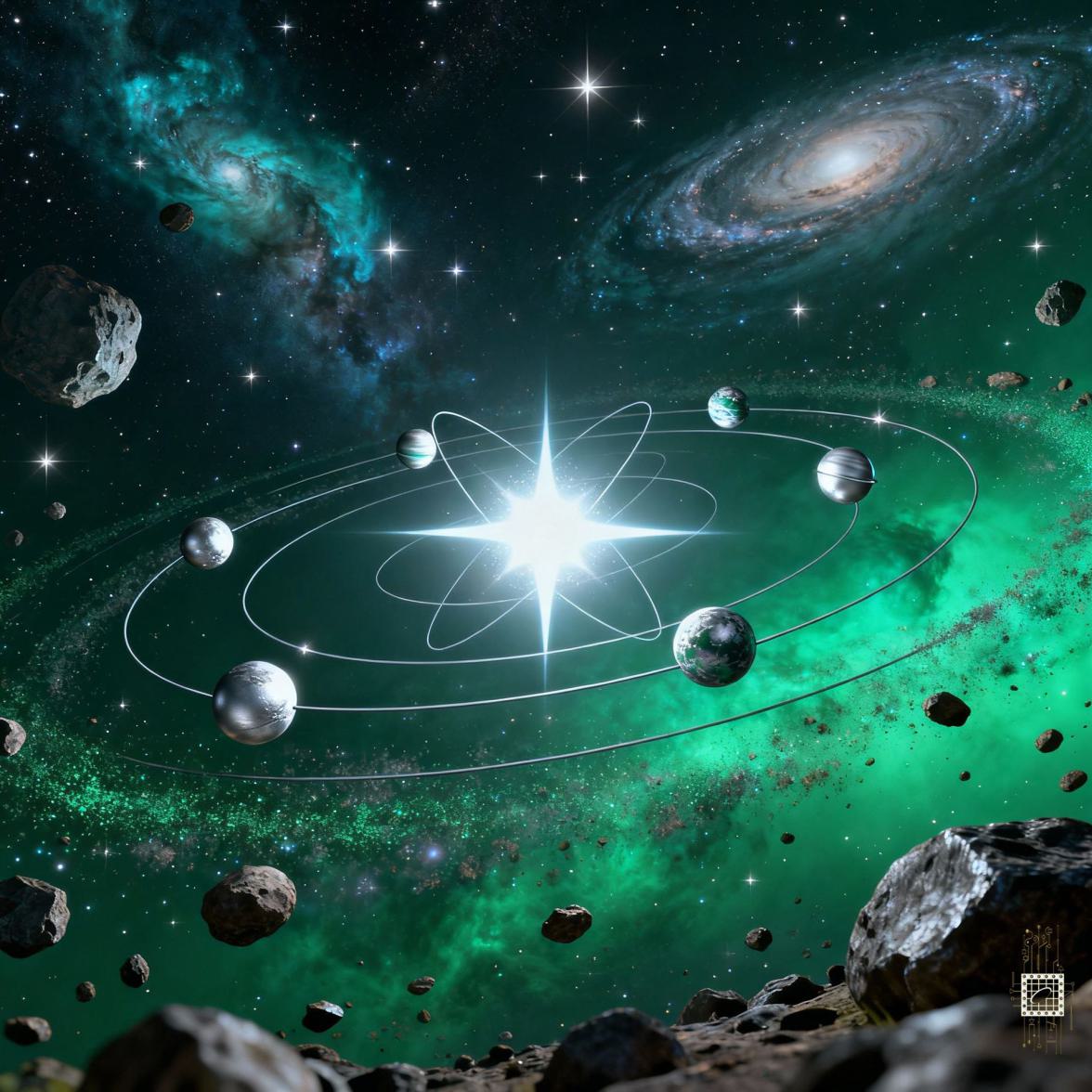
When we talk about the environment, it usually starts with life partners, children, and close family. Then come more distant relatives, acquaintances, and friends. The circle closes with workplace and other social surroundings.
Everyone is affected. The degree depends on the type of bond, frequency, and intensity of contact. This shows there are structurally very different relationships — all revolving around the same issue and usually the same person at the same time.
On the next level, interactions among the affected parties distort the situation further.
People further out in this interaction field usually notice changes first and leave, as healthy self-protection kicks in.
The closer people are to a dependent person, the heavier the impact of shame and guilt around what feels like a taboo topic. Here, unhealthy defense mechanisms take over. Absurd worldviews emerge, lived out to project an illusion of normality to the outside.
This kind of coping strategy is unstable over time and always collapses in the end — even if it seems sustainably functional in early phases.
What gets underestimated: Substance dependency, especially in later transition phases, is a complex, highly dynamic process. It builds step by step with exponential leaps across multiple levels.
The emotional level is especially critical.
In these situations, affected people can no longer adapt preventive measures or maintain their constructed worldview.