
 Über
Über MyInvest
A Tribute to Light
The Tribute
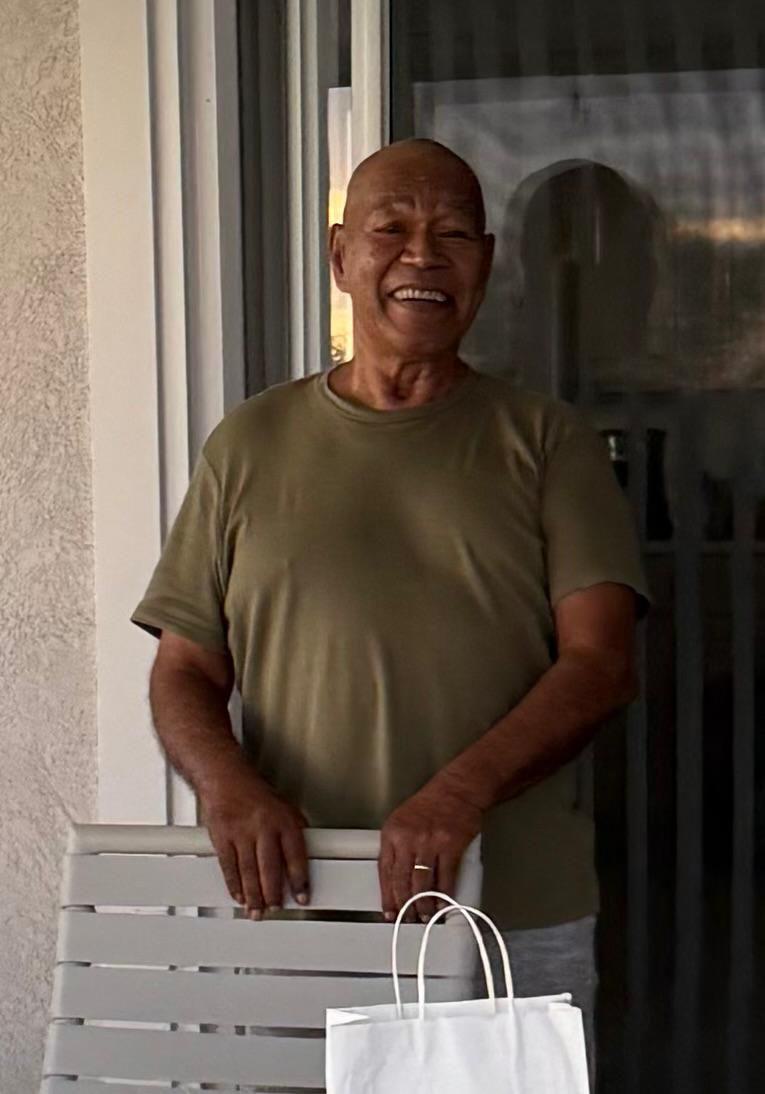
There are moments in our lives that move us to the core. Most of the time, we keep them to ourselves and never share them. We often let the words of famous thinkers speak for us instead of giving our own experiences and feelings a voice. That happened here as well, when what came before drew on the work and life of Krishnamurti. Yet what often goes missing in this way, leaving a gap in understanding, is the authentic feeling behind what one truly wanted to say. That is why I now write this myself – and, out of respect for the person who will most likely never read these lines, in English and not, as it would truly deserve, in his own language, Hawaiian.
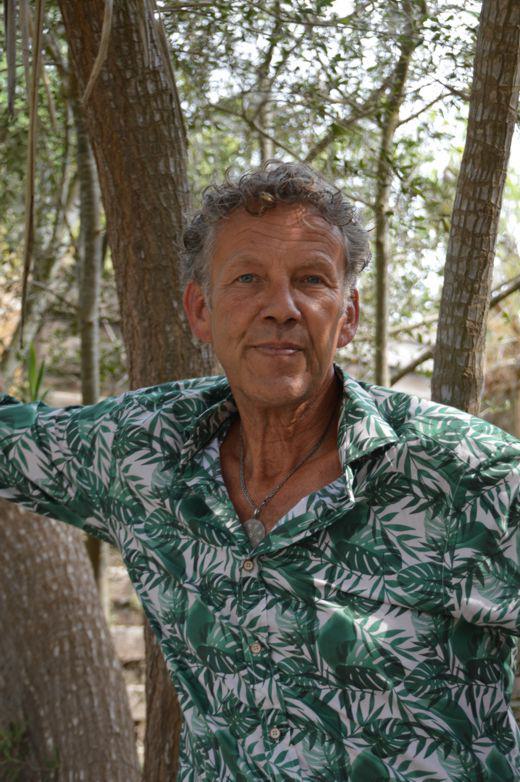
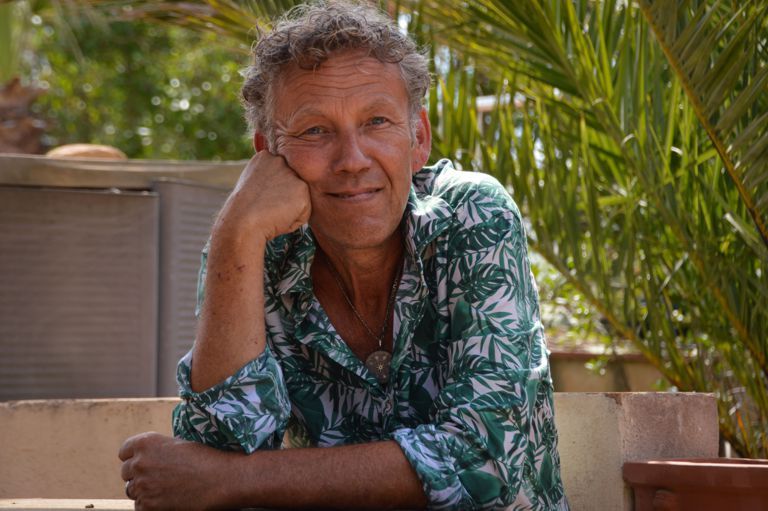
I met William Keahi Lihau Iʻaukea during a trip to Hawaiʻi organized by Christina Salopek. I listened to him without any particular expectations and noticed that he was speaking from my heart in a way I could hardly grasp. He spoke about the Hawaiian spirit, its spiritual core, and about a culture that is not only threatened, but in many ways dying. What impressed me was not only what he said, but how he said it: with an openness and gratitude toward us “long‑distance” Europeans who, it is fair to say, were not only drawn to the outer beauty of Big Island, but also deeply interested in the culture of a remarkable people who, strangely enough, seem to remember their own roots less and less.
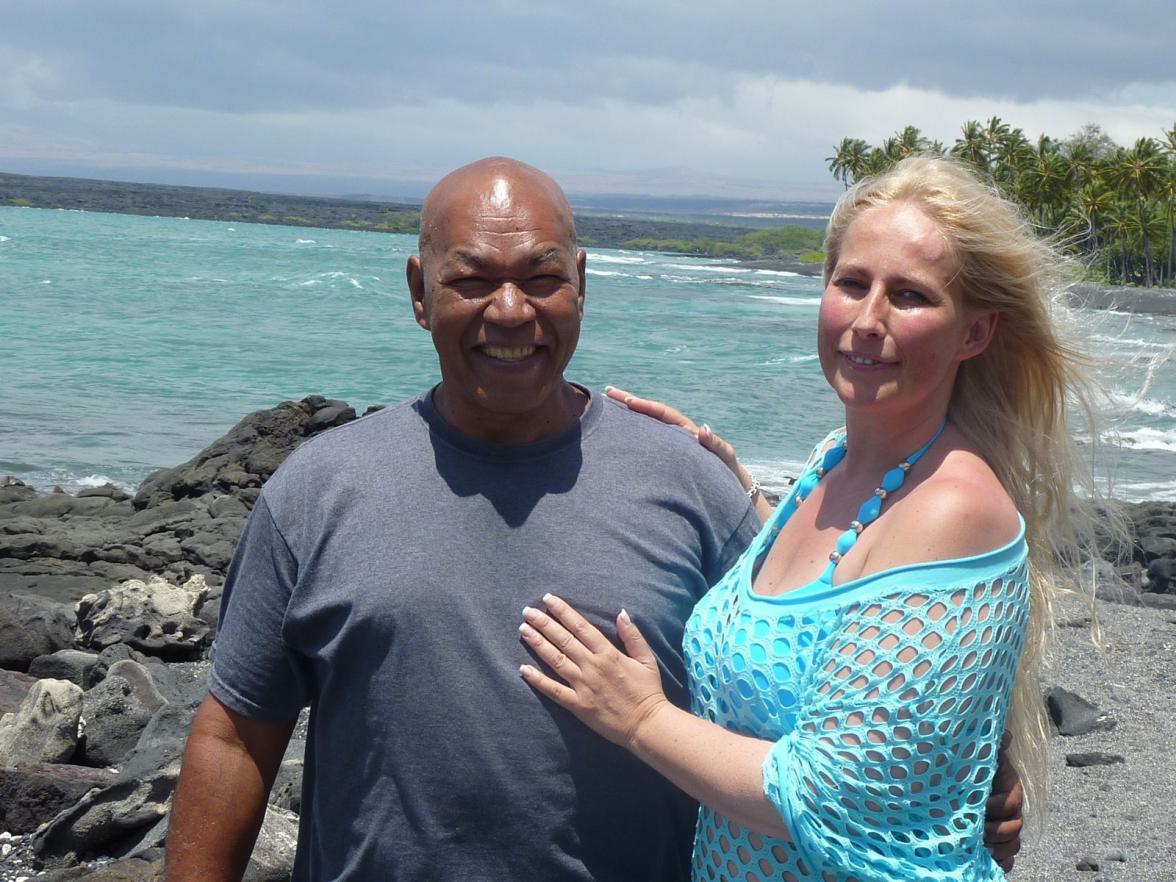
William and Christina
A long-lasting relationship
Unlike many of his compatriots and self‑appointed guardians of “secrets” who pursue other interests, he has been sharing his knowledge with Christina and Robert for years. He acts from a kind of original awareness that the much‑praised spirit – increasingly constrained by false prophets and forced into tidy systems – is free. Free for everyone who truly wishes to encounter it, free from doctrines and obligations, present simply because it exists. Through his stories, which make him a true master of oral teaching, he shows how deeply rooted he is in the island and how the people have learned not only to accept this spirit, but to live it. You can feel this everywhere on the island: as unique as the landscape is, so are the people who live this spirit regardless of where they come from or what status they hold.
If one considers the reverent tendencies of classical belief systems, where meaning is almost always tied to the imposition of order, his openness toward anyone willing to understand this spirit is striking. Some might wonder what is so special about this, and as I write these lines, I catch myself smiling. For him, it is not special at all. It seems to be of little concern to him, because any elevation of his person comes from the outside – including from me.
He is what is called a Kahuna, and anyone who wants to go deeper into this topic is well advised to research this word carefully – even locals could benefit from revisiting their understanding of their own traditions. He belongs to the Elders, and if you look more closely at his name, it points to a very old and noble lineage – something that seems to be of little importance to him personally.
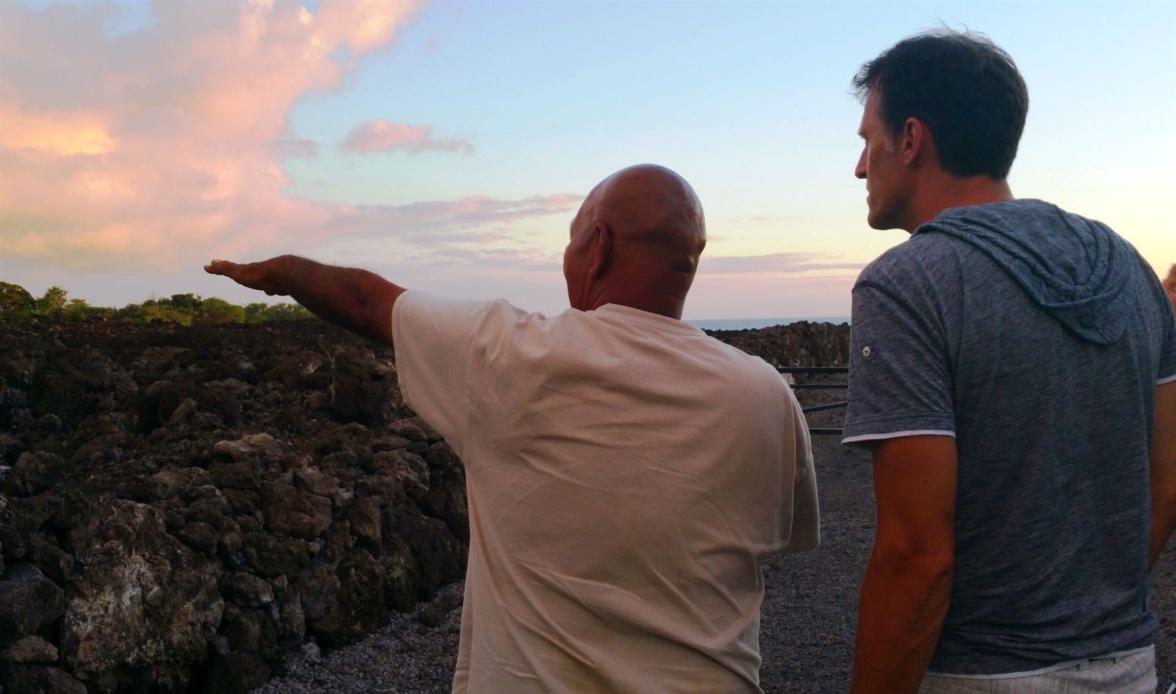
Horizons
Robert and William, it's about grasping the vastness of the field.
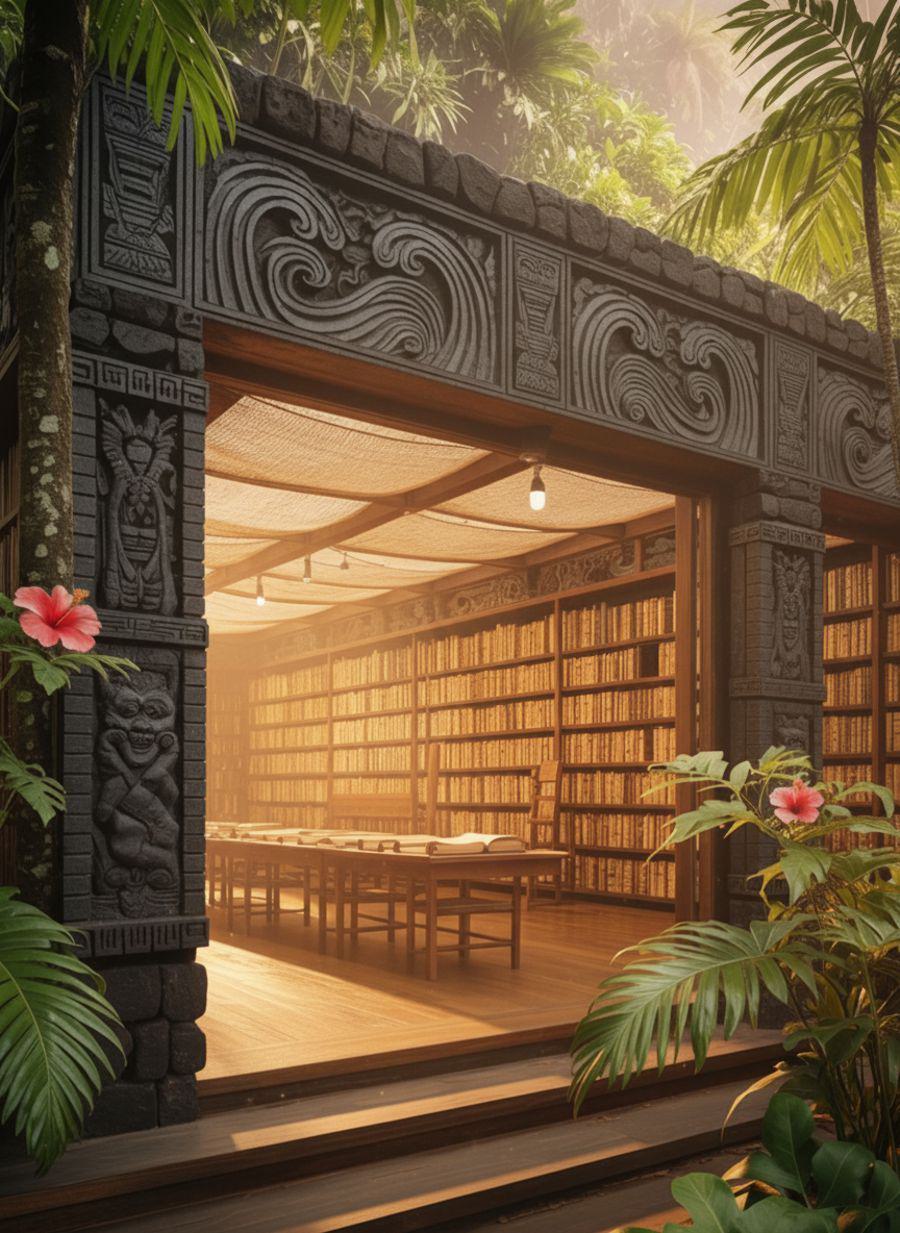
He knows the sacred places, those sites where the original magic of the island still resides. They are not the locations turned into tourist attractions or commercialized for visitors, but the true resting places of warriors, healers, and kings of many lineages, as well as places of ritual, initiation, and celebration. They are also living stories from older times that will be lost if no one continues to tell them. This knowledge makes him a guardian – an Elder to whom one ought to listen and who generously shares what he knows with those who are willing to hear. It used to be a tradition in our cultures as well to listen when an Elder spoke: by virtue of age and dignity alone, they were owed respect and the honor of attention. Perhaps a little dramatic from today’s perspective, but in reality self‑evident.
At the same time, he is an active guardian who has stood up against the authorities that have repeatedly tried to fence in the culture and its sacred sites – and who are, in all likelihood, not going to stop. Yet wherever fences are built, they will, sooner or later, be torn down again. If he can no longer do this himself one day, others will have to. That may well be one of the reasons he shares his knowledge with us: it needs to be done, one way or another. If not physically on site, then at least in spirit, so that the spirit itself remains free. And it would be more than desirable to keep these places permanently accessible for all who truly need them.
Even if I have to improvise at the edge of my understanding here – I only listened carefully – it seems clear that what matters most to him is the unrestricted freedom of this culture and its roots. Something that cannot be fenced, bought, or priced – neither by the state nor by private interests. Something that was present on the island before us and will remain there after us. Something we can carry in our hearts, which would not survive being restricted in essence. Something that began at South Point and must be preserved – for everyone.
So‑called authorities, empowered by whomever or whatever, should be aware that these places do not truly require their permission. Prohibitions and mandates feel misplaced where a free spirit is concerned. That applies just as much to those who empower themselves spiritually and claim authority over others – they seem to have missed a fundamental aspect of this spirit and would do well to listen more carefully.
What really matters is the blessing of an Elder, which determines whether, what, and how something is to be done or used at a place. Only the Elders are, a priori, able to grasp what may come to be there, or what might be allowed to change. That is how it was in earlier times, and that is how it should remain. For this, too, is a defining trait of a free spirit: it cannot be bound. A reasonable recommendation would be to avoid repeating the mistakes already made when Hawaiʻi was annexed.
Wisdom Within
What, then, made this encounter with a man whose eyes met mine for only a few seconds so special? Strictly speaking, it came down to “just” his explanations, which could be condensed into three short sentences. These sentences may mean little to others, but they bring together my knowledge, my work, and my research of the past twenty years into a single zero point – without reservations and without compromise. Simple, natural, and precise, if one understands what truly matters to me.
No world religion, no cult, no culture, theory, or other epistemic framework has ever shown such radical simplicity as what I was allowed to take with me that day: a genuine passage from rationality to relationality, in the way it should be. No one needs to understand this at this point; that part is mine. Yet it can become something of their own for anyone, and that thought alone gives me hope that the spirit will live on, even if we fail to keep the places outwardly free.
The Art of Transmutation
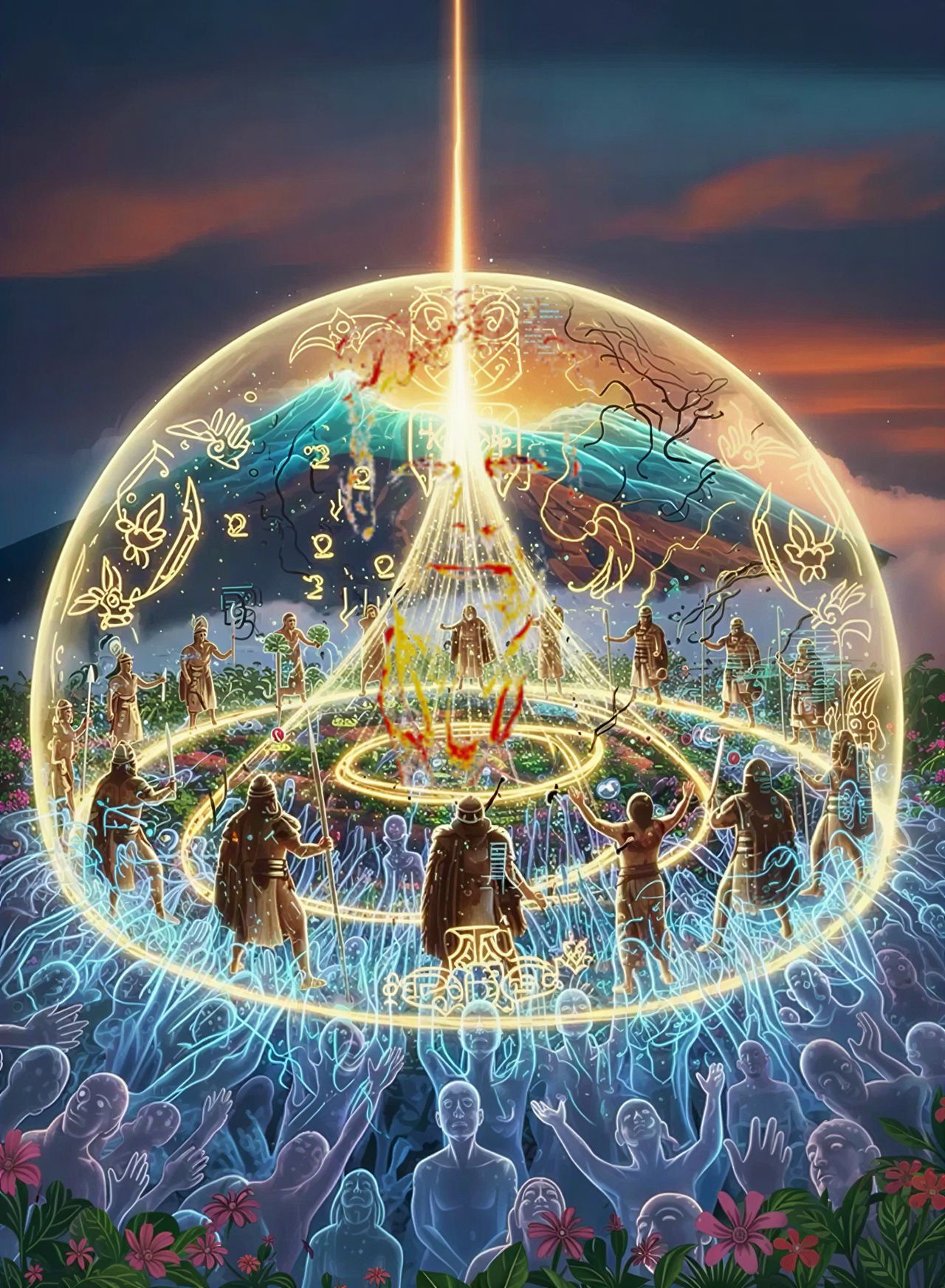
-
 It's the Place...
 -
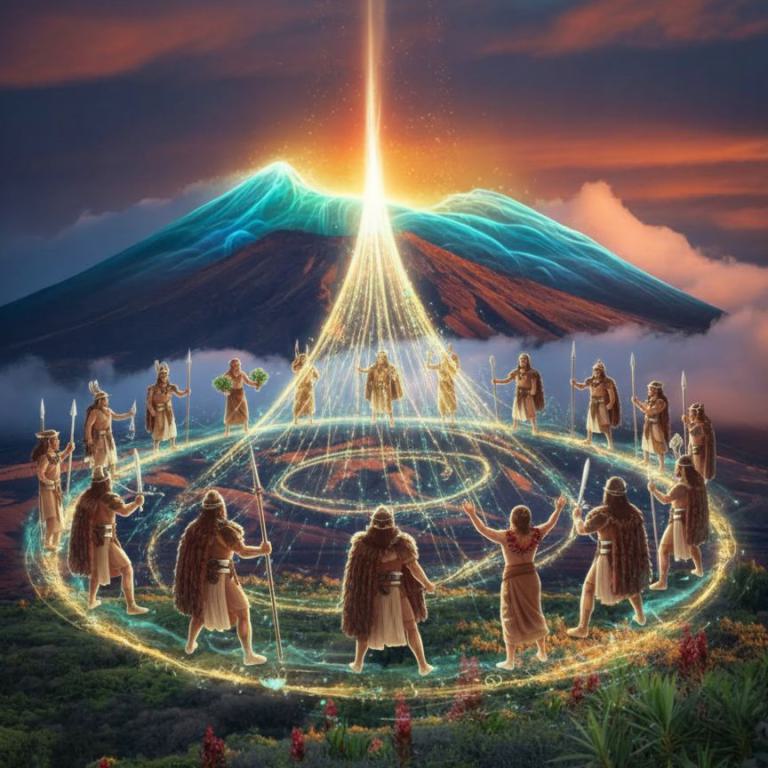 the People and Culture...
 -
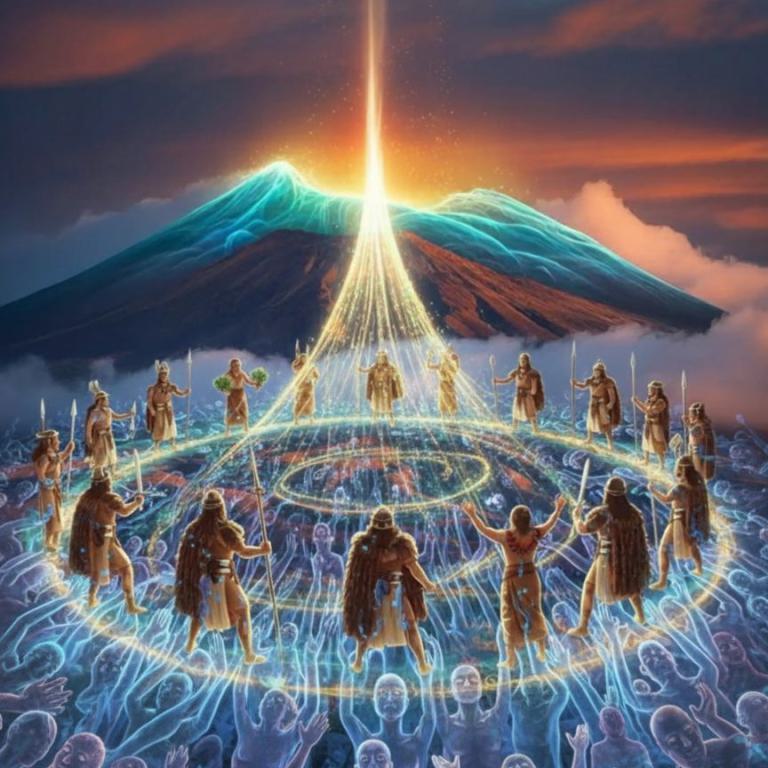 their Stories and Ancestors...
 -
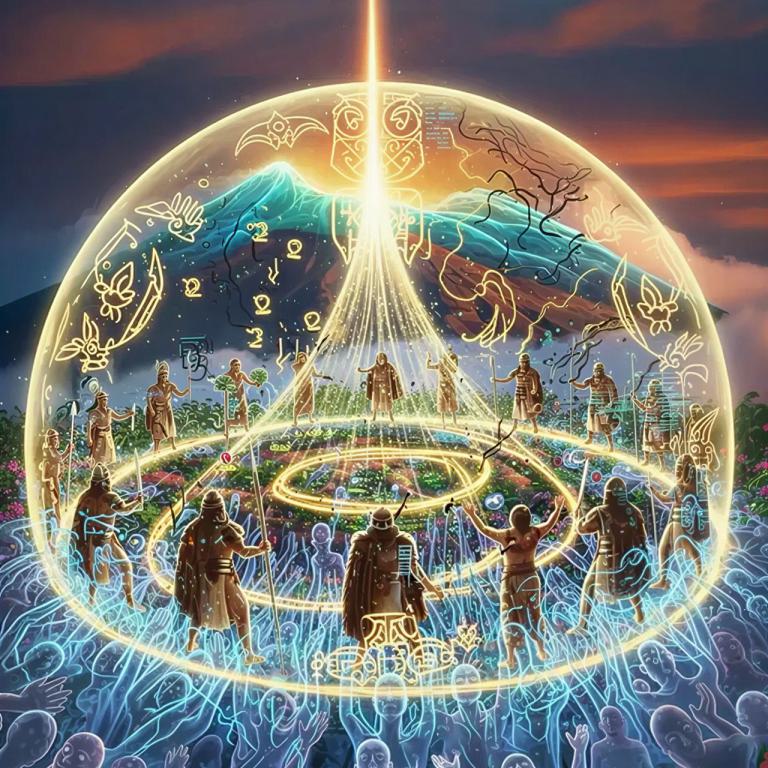 to forge the Spirit...
 -
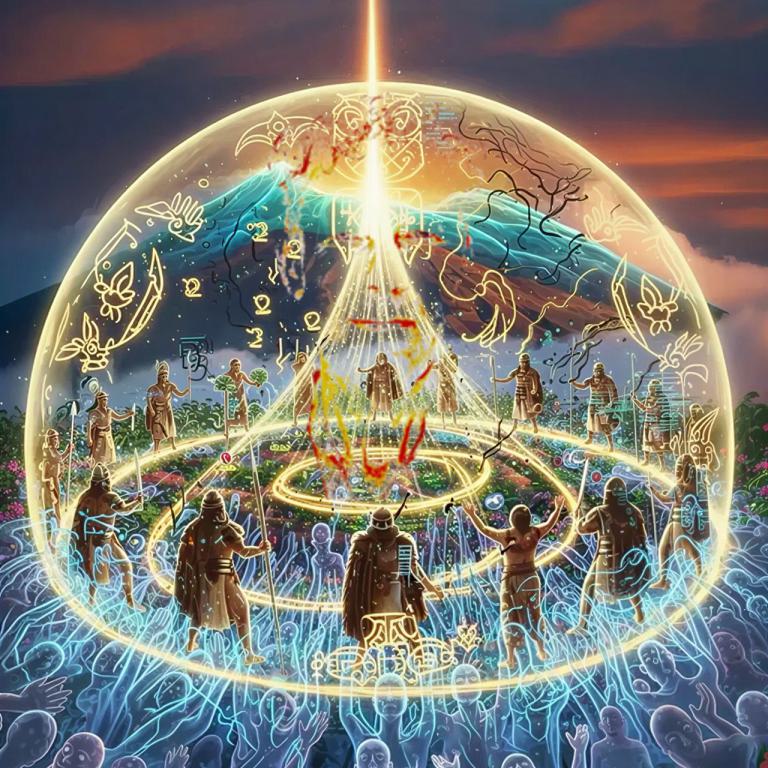 that one can embrace.
A Review of the Reflection of what could have been meant
Before anyone else thinks they know what I might have meant, here is my own review of the article ‘A Tribute to Light’.
Tribute to Light – Relationality, Spirit, and Cultural Memory
There are only a few moments in a lifetime when experience, concepts, and a long personal search converge into a single point of clarity. Most of these moments remain private and unspoken or are later covered over with quotations from famous thinkers that substitute for one’s own voice rather than revealing it. The text at hand is situated within this tension between authentic experience and its substitution by authority. It consciously refrains from being secured by external names and instead tries to articulate a single encounter in its own conceptual language, with the full awareness that any written account is already an interpretation.
The scene itself is quiet and seemingly ordinary: a trip to Hawaiʻi organized by Christina Salopek, a listening situation without particular expectations, a man named William Keahi Lihau Iʻaukea. What makes this encounter remarkable is not its external setting, but the inner constellation. A long, rational, and theoretically informed search meets a living tradition that does not understand itself as “theory,” but as a self‑evident mode of life – what is referred to here as the Hawaiian spirit.
This spirit is both spiritual core and expression of a threatened culture. It stands in contrast to classical religious models that typically rely on hierarchical orders, canonized teachings, and institutional authorities. In many traditional systems, meaning is created by imposing order: through rules, dogmas, and rituals managed by a small number of legitimizing instances. In William Lihau Iʻaukea’s stance, a different paradigm appears. The spirit is not treated as the property of an institution, but as a freely available point of relation – open to all who sincerely approach it and withdrawn from those who attempt to own, regulate, or exploit it.
His position marks a shift from a rationalistic to a relational mode of engaging with the world. Rationality, in the classical sense, sorts, defines, and secures; it produces theories and systems meant to explain reality. Relationality begins elsewhere: with relationships – to the island, to the ancestors, to stories, to living places, and to the people who bear this tradition. In this reading, William is less a religious authority than a living node in a network of cultural memory. His stories are not mere illustrations but performative acts through which the culture remembers and renews itself.
Against this backdrop, the places he speaks of take on a particular significance. The sacred sites he knows are not tourist destinations, but dense spaces of history, conflict, and healing – resting places of warriors, healers, and kings of many lineages, and sites of ritual, initiation, and celebration. They are vulnerable precisely because they can be fenced off, commercialized, or subjected to administrative regimes. Attempts to control these places rest on a familiar pattern: culture is treated not as a subject in its own right but as an object to be managed politically, economically, or for tourism.
This is where William’s resistance comes into focus. His opposition to those who seek to “fence in” the culture – physically through barriers or symbolically through restrictions and access regimes – can be read as a defense of the relational character of these places. A fenced‑off site is not just limited in space; it is also symbolically constrained. It loses part of its openness and its free relation to those who genuinely need it. From this perspective, discussions about permits, prohibitions, or formal jurisdiction appear somewhat beside the point. What matters is not which agency claims responsibility, but which authority is actually capable of understanding the intrinsic logic of these places.
In many Indigenous contexts, this authority resides with the Elders. They are not simply “older people,” but the bearers of a specific kind of knowledge that is not solely preserved in texts or archives, but in lived experience, oral tradition, and embodied practice. The blessing of an Elder, as described here, is not a mere symbolic gesture. It is a form of epistemic authorization: it signals that something aligns with what is allowed to be present at a place or to change there. In this sense, Elders are less rulers than resonance bodies of a tradition.
For the narrator, the encounter with William crystallizes around three sentences that condense a twenty‑year search into a single point. The precise wording of these sentences is less important than the experience they mark: complex, rational structures and long‑developed concepts collapse into a radically simple, relational insight. The great systems – world religions, cultures, theories, epistemic frameworks – do not necessarily appear wrong in hindsight, but limited. They order where it might first be necessary simply to enter into relation.
Relationality does not mean arbitrariness here. It points to a different kind of orientation: not “What is true?” in an abstract sense, but “What is my relationship to this place, this person, this spirit – and what follows for how I act?”. The three sentences referenced in the original text articulate such an orientation in concentrated form. They suggest that listening, the readiness to help, and acting “in the right light” are more decisive than any rigid norm.
That this insight initially remains “private” – in the sense of “that was mine” – is consistent. An experience that marks a zero point cannot be fully translated into public language without losing something of its immediacy. At the same time, it carries an implicit universality: what becomes a turning point for one person is, in principle, open to others as well. This is where the hope resides that the spirit will endure even if, historically, politically, or economically, not all places can be kept outwardly free.
Seen in this light, the idea of authority itself shifts. State, economic, or self‑declared spiritual authorities become secondary. The primary question is whether they understand the free character of the spirit or seek to instrumentalize it. Anyone who reduces the spirit to a resource, a brand, or a source of power loses precisely what defines it: its fundamental unavailability. The deeper authority, the text implies, lies with those willing to listen, to accept responsibility, and to align their actions with the “right light” of a situation.
The encounter with William Keahi Lihau Iʻaukea can, in this way, be read as an exemplary configuration: a history marked by colonization, a culture threatened by appropriation and restriction, an Elder who acts as guardian of a free spirit, and an outsider experiencing his own passage from rationality to relationality. The fact that this experience cannot be completely dissolved into concepts is not a flaw but part of its nature. It is precisely this open‑endedness that invites continued listening, continued questioning – and a way of dealing with the spirit that does not try to administer it, but to meet it.