

 About
About MYINVEST
Involved or Affected
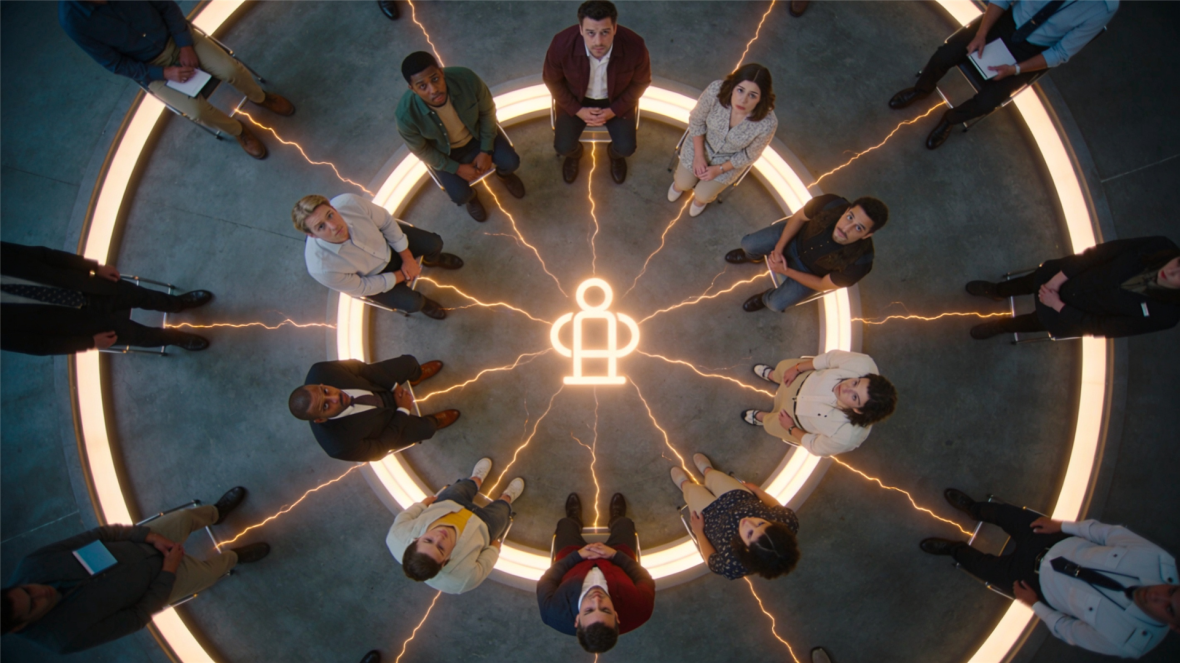
If you are here, you are already part of it...
If you are reading this, you are almost certainly already in the field:
→ as someone with a noticeable dependency pattern,
→ as a partner, parent, sibling, child, or friend,
→ or as a colleague, leader, or professional confronted with someone else’s pattern.
Wherever you stand:
→ you are involved, and you are affected.
→ That is not a moral judgment.
→ It is a description of reality.
Beyond guilt and blame
In dependency systems, people often ask:
→ “Whose fault is this?”
→ “Who caused this situation?”
→ Who should have done something earlier?”
These questions are understandable, but they rarely help.
From a systems perspective:
→ everyone is doing the best they can with the resources they have,
→ within structures that often overwhelmthose resources.
Instead of searching for guilt, it is more useful to ask:
→ Which resources are present or missing?
→ What can be strengthened, restored, or newly created?
Efficiency vs. Effectiveness
In crisis, many people – including professionals – focus on efficiency
→ fastest possible symptom reduction,
→ quick decisions,
→ immediate calming of acute situations.
Sometimes that is necessary. But if we only optimise for speed, we miss the real goal:
Effectiveness– lasting change that reduces suffering and restores autonomy.
Effective work with dependencies means:
→ understanding the roles everyone plays,
→ seeing how each person’s behaviour makes sense within the current structure,
→ and building interventions that improve the overall configuration, not just one person’s symptoms.
Resource orientation in practice
When I speak of resources, I mean more than money or time. I mean:
→ health and emotional stability,
→ social support and relational capacity,
→ cognitive and practical skills,
→ structural room for manoeuvre (housing, work, legal context),
→ and, very importantly, self‑respect and dignity.
In a dependency system, these resources are often:
→ unevenly distributed,
→ partially exhausted,
→ or bound up in roles (rescuer, perpetrator, victim, controller, ghost) that no longer function.
My work focuses on:
→ identifying which resources still exist,
→ protecting them from further erosion,
→ and building new ones where possible.
What this means for you
Whether you are directly affected or "only” involved:
→ your experience is real and valid,
→ your resources matter,
→ and you are part of the field in which change might become possible.
Working with dependencies without including those involved and affected is like rowing with one oar. This section is meant to make visible what often remains unspoken – so that more conscious decisions can be made.